A Baroque Christmas
by San Gabriel Chorale
When: Sunday, December 7, 2025 at 4:00 pm
Where: Alma Thomas Theater at Southwestern University, Georgetown, Texas
Who: San Gabriel Chorale with orchestra conducted by Dr. Bruce Cain
Tickets: $25 adults, Students Free under 18 or with Southwestern University ID.
Tickets are available on this website as well as at the door.
Selections from Bach’s Christmas Oratorio, Vivaldi’s Magnificat, and Handel’s Messiah
About the Baroque Period (1600–1750)
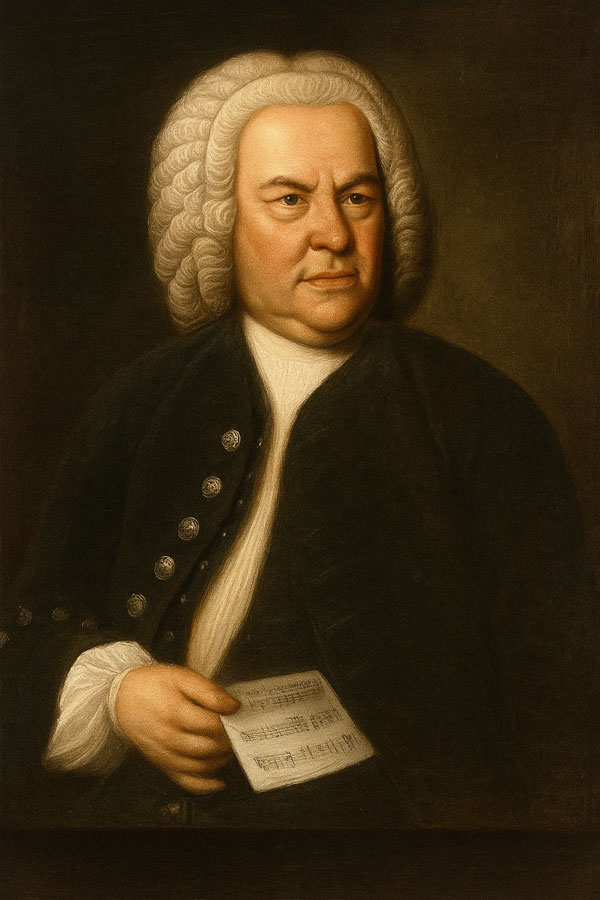
Johann Sebastian Bach (1685–1750)
Bach is often considered the pinnacle of Baroque composition. Born in Eisenach, Germany, into a family of musicians, he served as organist, composer, and teacher throughout his life. His works are marked by intellectual depth, technical mastery, and spiritual devotion.
About the Music:
San Gabriel Chorale performs selections from Bach’s Christmas Oratorio (1734–1735), a six-part masterpiece intended for the Christmas season. Each cantata reflects a different aspect of the nativity story, blending jubilant choruses, tender arias, and chorales that would have resonated with congregations of his day.
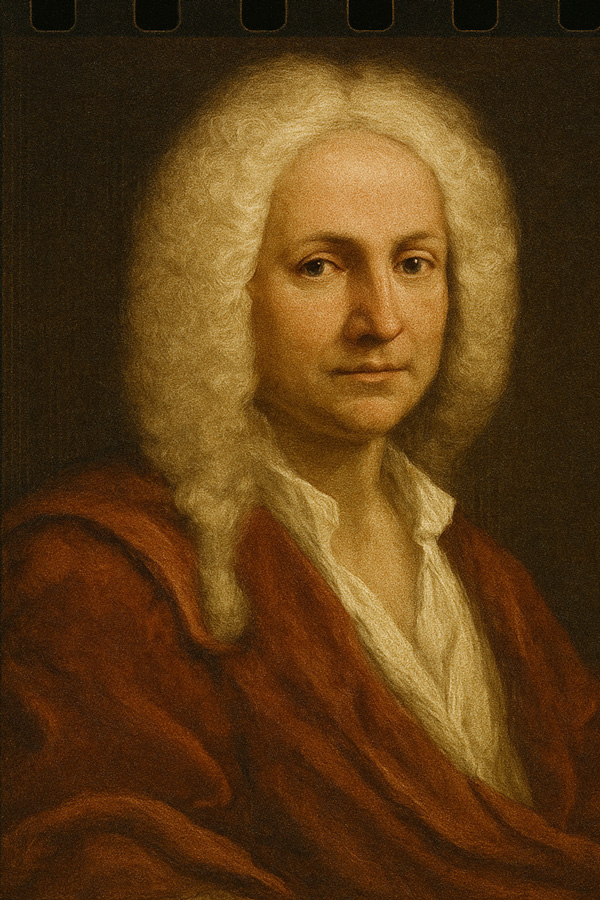
Antonio Vivaldi (1678–1741)
Known as the “Red Priest” for both his hair and his early ordination, Vivaldi was born in Venice and became one of the most celebrated composers of his time. He wrote hundreds of concertos, sacred works, and operas, his music characterized by rhythmic vitality and lyrical beauty.
About the Music:
The Chorale presents Vivaldi’s Magnificat (RV 610, ca. 1715), a setting of Mary’s hymn of praise from the Gospel of Luke. This piece alternates between grandeur and intimacy, showcasing Vivaldi’s ability to combine devotional expression with dramatic musical flair.
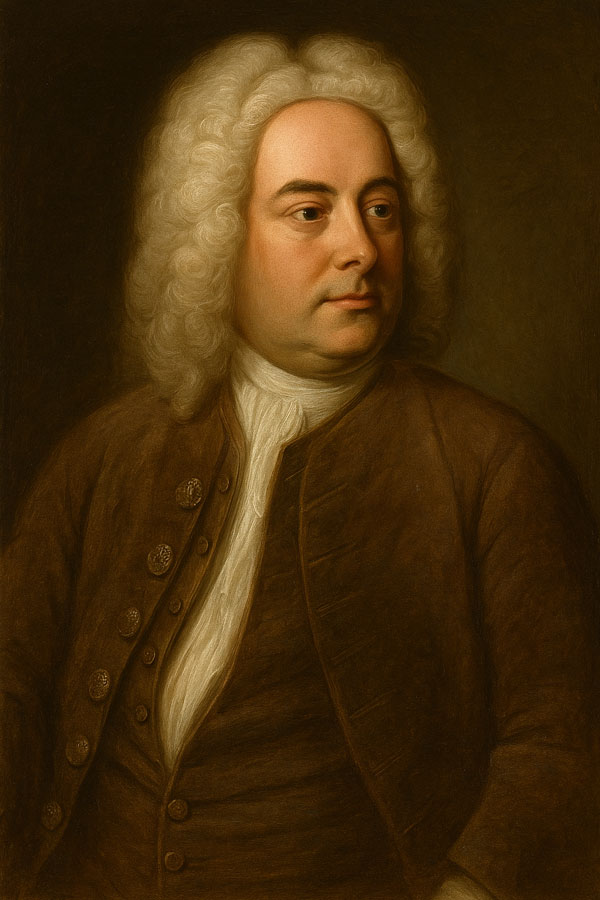
George Frideric Handel (1685–1759)
George Frideric Handel was one of the most cosmopolitan and influential composers of the Baroque era. While he achieved great fame in London through his Italian operas and English oratorios, Messiah became his enduring masterpiece, beloved across centuries.
About Messiah, Part I:
Messiah was composed in just 24 days during the summer of 1741. Unlike Handel’s operas, the oratorio is not staged with costumes or sets but is performed in concert form, allowing the words and music to speak with direct dramatic and spiritual power. The text draws from the King James Bible and the Book of Common Prayer.
Part I of Messiah focuses on the prophecy and birth of Christ. It begins with words of comfort from the Book of Isaiah: “Comfort ye, my people”, followed by the promise of a coming Savior. Choruses such as “And the glory of the Lord” proclaim divine revelation, while arias express anticipation and joy. Handel’s musical treatment combines theatrical immediacy with devotional warmth. His use of alternating recitatives, arias, and choruses creates vivid contrasts—tender, prophetic, and exultant—perfectly suited to the Advent and Christmas season.
The Spirit of the Season
Together, Bach, Vivaldi, and Handel bring us a vivid tapestry of the Baroque: ornate yet deeply human, dramatic yet profoundly spiritual. A Baroque Christmas invites us into the wonder, reverence, and joy of the holiday through some of the greatest choral music ever written.